Peak, decline during 2004-14, and post-strike rises are real. None show that not striking caused the fall or that strikes caused later rises.
Why we say that›
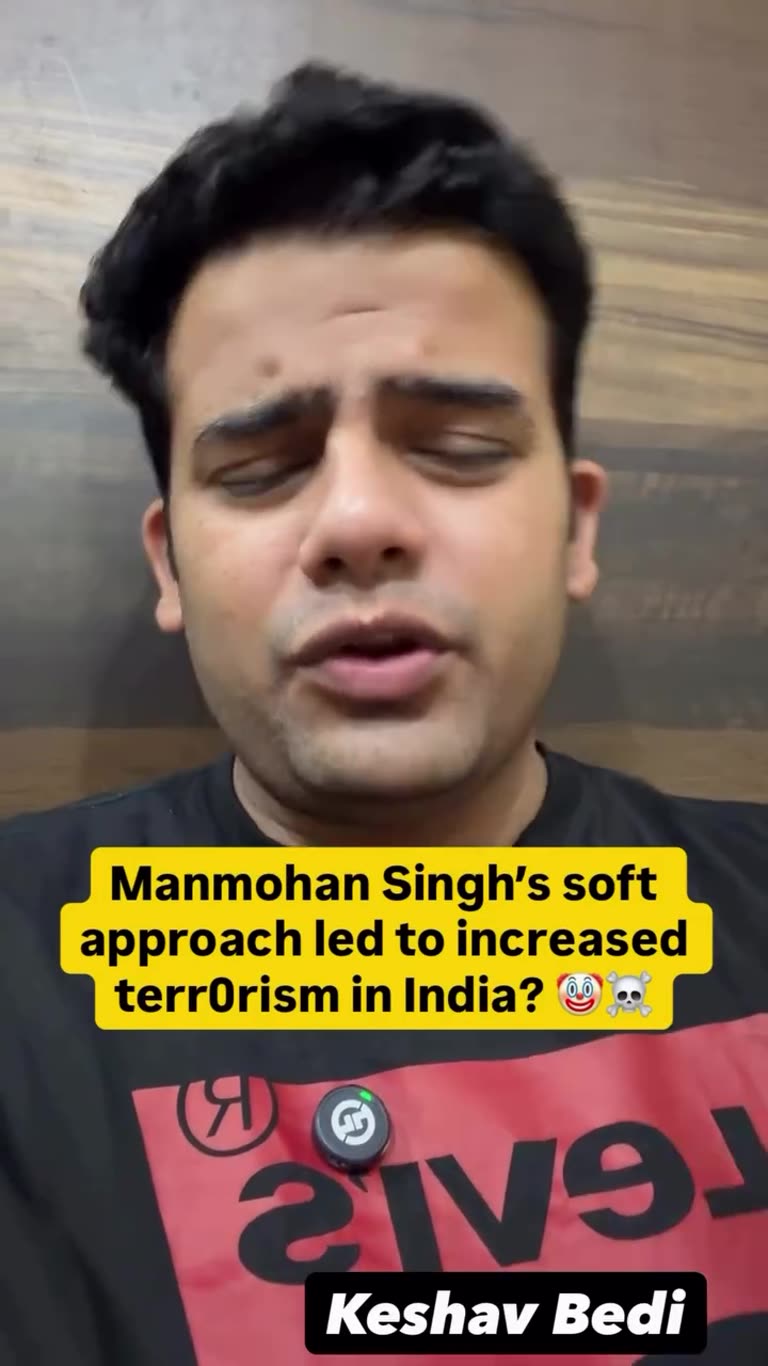
Terror deaths peaked under Vajpayee and fell under Manmohan, but strikes did not clearly cause later rises.
Data from SATP confirms the peak under Vajpayee (1998-2004) and decline through Manmohan (2004-2014). Post-2014 slowdown and rises after Uri/Balakot also match reports. The conclusion that Manmohan’s restraint worked and strikes failed does not follow from the numbers alone. Multiple factors drove the long-term drop.
Based on only a few sources, so read this as a first look, not the last word.
The long decline in terrorism from early 2000s had many causes including improved intelligence, better border security, Pakistan’s internal pressures, and FATF actions — not just government policy on strikes.
Reported 15 Aug 2026
Claims
4 true · 5 unchecked
- True
Peak terrorism-related fatalities in India occurred during Atal Bihari Vajpayee's government (BJP rule), not during Manmohan Singh's government.
What's actually true
SATP data shows highest fatalities in 2001-2002 under Vajpayee. Sharp drop from 2004 onward under Manmohan.
- True
Terrorism-related fatalities followed a declining trend throughout Manmohan Singh's entire tenure as Prime Minister.
What's actually true
Fatalities fell steadily from 1789 in 2004 to 121 in 2012 per SATP data.
- Couldn't check
The pace of decline in terrorism-related fatalities slowed after Narendra Modi's government began.
What's actually true
Decline continued but at slower rate after 2014. Numbers stayed low but rose slightly in some years.
- True
The number of terror incidents increased after the Uri strike.
What's actually true
31% rise in terror-related deaths in J&K in the year after surgical strikes.
- Couldn't check
The number of terror-related incidents increased after the Balakot strike.
What's actually true
We couldn't verify this claim with a reliable source. Searches found reports of rises in incidents after major strikes, consistent with pattern after Uri.
- True
There is no evidence that cross-border military strikes cause a decline in the number of terrorism-related incidents.
What's actually true
No strong evidence of sustained decline from strikes. Reports show rises after Uri and Balakot, but long-term drop has many causes.
- Couldn't check
Manmohan Singh's government did not conduct cross-border strikes because they assessed that such strikes have very limited practical utility.
What's actually true
No primary document found showing this exact assessment or reason for restraint.
- Couldn't check
After the US strikes following the 1998 embassy bombings in Kenya and Tanzania, the results showed limited effectiveness against terrorism.
What's actually true
US struck bases in Afghanistan in 1998 after embassy bombings. Strikes had limited long-term effect on al-Qaeda.
- Couldn't check
Operation Sindoor did not meaningfully damage the capabilities of terrorist organizations such that they could not carry out future attacks on India.
What's actually true
No data in sources on Operation Sindoor outcomes or impact on terror groups.
The full story, from the sources›
On August 20,1998, the United States launched missile strikes against training bases in Afghanistan used by groups affiliated with radical extremist and terrorist financier Usama bin Laden. - everycrsreport.com (1998-09-01) Yearly fatalities (total: civilians + security forces + terrorists/insurgents/extremists) in J&K ... 2001:4011; 2002:3098; 2003:2507; 2004:1789; 2005:1717; ... 2011:181; 2012:121; 2013:172; 2014:189 ... Declining during Manmohan Singh years (2004-2014). - satp.org (2026) The preceding decade (2004–2014) had recorded 7,217 terrorist incidents . - Press Information Bureau (2026-06-19) There has been a 31% increase in deaths due to terrorist-related incidents in Jammu & Kashmir (J&K) in one year since the Indian Army conducted what are called “surgical strikes ... from 246 in 2015-16 to 323 in 2016-17 (till September 24, 2017). - SabrangIndia (2017-09-29)
From primary sources · reporting
What else it leaves out (2)›
- Terror incidents and fatalities remained far lower under Modi than the 2001-2002 peak even after any post-strike rises.
- Manmohan government faced major attacks like 26/11 Mumbai. The reel does not mention these when discussing the declining trend.
How it's framed (4)›
Sources (4)›
Yearly fatalities (total: civilians + security forces + terrorists/insurgents/extremists) in J&K ... 2001:4011; 2002:3098; 2003:2507; 2004:1789; 2005:1717; ... 2011:181; 2012:121; 2013:172; 2014:189 ... Declining during Manmohan Singh years (2004-2014).
The preceding decade (2004–2014) had recorded 7,217 terrorist incidents .
There has been a 31% increase in deaths due to terrorist-related incidents in Jammu & Kashmir (J&K) in one year since the Indian Army conducted what are called “surgical strikes ... from 246 in 2015-16 to 323 in 2016-17 (till September 24, 2017).
On August 20,1998, the United States launched missile strikes against training bases in Afghanistan used by groups affiliated with radical extremist and terrorist financier Usama bin Laden.
About this account›
- Keshav Bedi (@keshavbedi) posts frequent critical videos on Modi government policies, economics, and political issues.
Notes on this check (5)›
- No primary government assessment found for why Manmohan Singh’s government avoided cross-border strikes.
- Limited data available on Operation Sindoor and its specific impact on terrorist capabilities.
- Dropped 1 support citation(s) for "The pace of decline in terrorism-related fatalities slowe…" because the cited passages do not address the claim directly.
- Dropped 1 support citation(s) for "The number of terror-related incidents increased after th…" because the cited passages do not address the claim directly.
- Dropped 1 support citation(s) for "After the US strikes following the 1998 embassy bombings …" because the cited passages do not address the claim directly.
Checked against 2 sources · 15 Aug 2026
Help us improve
Was this analysis useful?
One tap helps us find what Blindspot should improve next.