Engines could fail without warning as a result of high chloride and excessive moisture in E20 fuel is not accurate. SIAM withdrew the letter and stated there is no cause for concern after further checks. No breakdowns reported by manufacturers or government.
Why we say that›
AAP reel claims Modi government hid E20 dangers via SIAM letter pressure
Supported facts include the original SIAM letter on chloride and the national E20 policy. Unsupported claims assert government motive to hide findings, force withdrawal and create nationwide engine risk. The through-line requires a cover-up step no source shows.
Based on only a few sources, so read this as a first look, not the last word.
Each SIAM letter, withdrawal and chloride finding is real. None shows government motive to hide, pressure manufacturers or risk 30 crore vehicles.
SIAM's full clarifying statement that withdrew the letter and stated no cause for concern
Reported 16 Aug 2026
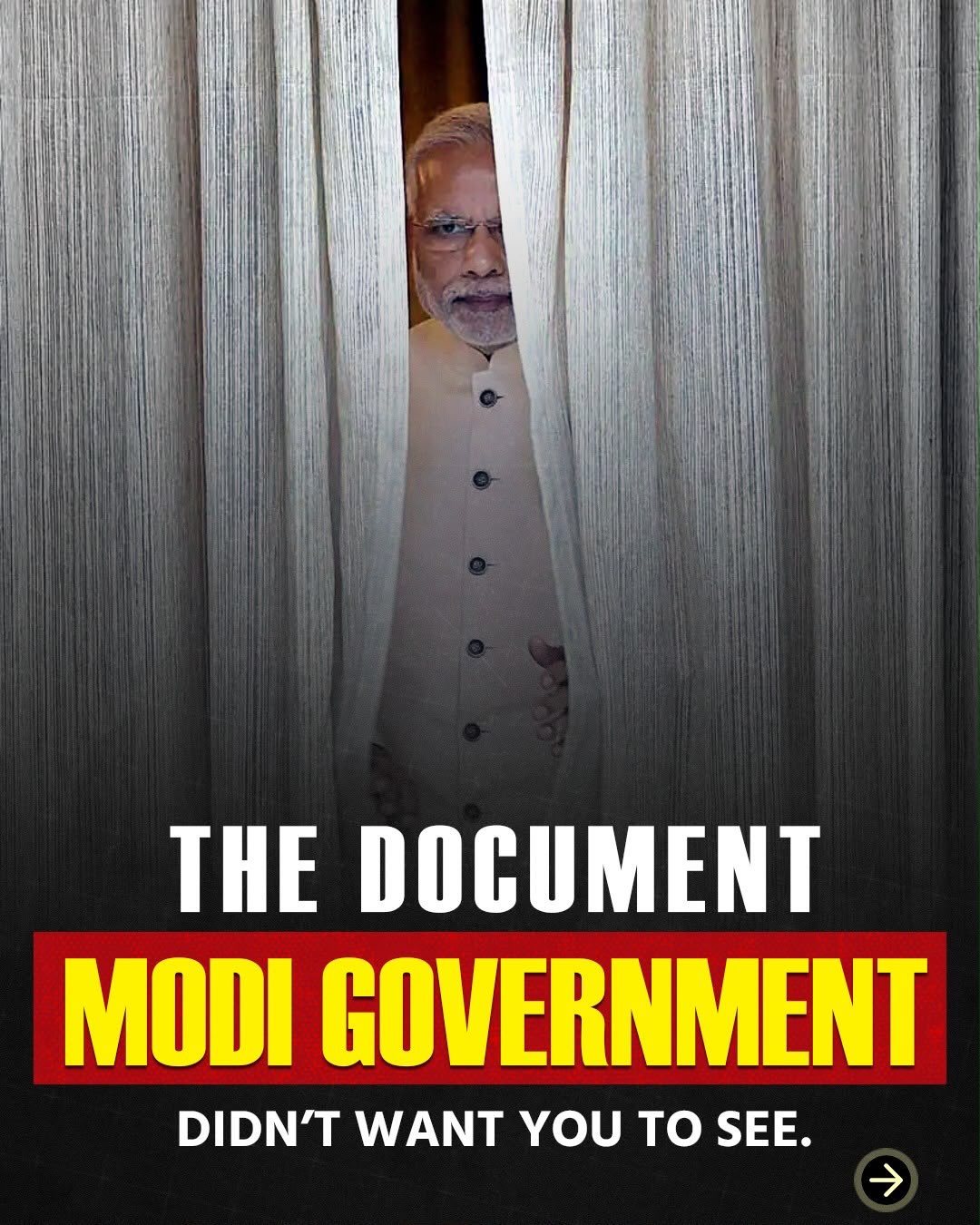
How the reel gets there
The reel says: “MODI GOVERNMENT TRIED TO HIDE THE TRUTH They tried to make the SIAM letter disappear.”
The record shows: SIAM voluntarily withdrew its earlier communication, stating that the chloride numbers needed authentication through more data collection and that all concerns had been addressed by existing 3ppm guidelines and testing protocols, with no reference to any external pressure.
The Hindu · The New Indian Express
Claims
1 false · 3 true · 4 unchecked
- False
The Modi government has pressured manufacturers to hide their research findings on ethanol blending from customers.
What's actually true
Government clarification states manufacturers face warranty risks if defects are hidden and no pressure exists.
- Couldn't check
The Modi government tried to hide the truth about E20 fuel.
What's actually true
We couldn't verify this claim with a reliable source. No source establishes any government motive to hide the truth. Only political allegations of forcing a withdrawal appear.
- Couldn't check
The Modi government tried to make the SIAM letter disappear.
What's actually true
We couldn't verify this claim with a reliable source. No source establishes any government motive to make the letter disappear. Only allegations of forcing withdrawal appear.
- Couldn't check
Engines could fail without warning as a result of high chloride and excessive moisture in E20 fuel.
What's actually true
SIAM withdrew the letter and stated there is no cause for concern after further checks. No breakdowns reported by manufacturers or government.
- Couldn't check
Around 30 crore vehicles in India are at risk due to the Modi government’s forced E20 rollout.
What's actually true
We couldn't verify this claim with a reliable source. Only AAP statements repeat the 30 crore figure. No official vehicle registry or risk count confirms it.
- True
The Modi government has forced E20 on Indians.
What's actually true
Public record shows the government rolled out E20 as national policy across fuel stations.
- True
SIAM stated that 500 mg/kg of chloride was found in vehicle fuel samples.
What's actually true
The original SIAM letter reported chloride levels reaching 500 mg/kg in vehicle tank samples.
- True
The chloride problem in vehicle fuel surged after E20 implementation.
What's actually true
The original SIAM letter noted chloride issues increased specifically after E20 rollout.
The full story, from the sources›
30 Crore Vehicles At Risk: Kejriwal... said that around 30 crore vehicles in India are at risk as they are not E20 compliant. - ETV Bharat News (2026-07-07) Claim 7: Automobile companies are under government pressure to hide the truth about E20. In its clarification, the Ministry of Petroleum & Natural Gas said: Concealing widespread vehicle defects would expose them to warranty claims... Their warranty decisions are based on engineering validation and real-world operating experience, not political considerations. - The Times of India (2026-07-30) SIAM has written to the Ministry of Petroleum and Natural Gas seeking the inclusion of mandatory chloride limits in BIS fuel specifications and stronger quality controls by oil marketing companies (OMCs) at retail outlets. - Business Today (2026-08-04) Many experts and vehicle owners argue that cars and two-wheelers manufactured before April 2023 were not originally designed for E20. They say prolonged use could lead to engine knocking, corrosion, wear of rubber and plastic components and reduced fuel efficiency. - TimesNow (2026-08-04) SIAM withdraws its letter to the government, clarifying that earlier chloride-related concerns about E20 fuel have been addressed. - The Hindu (2026-08-05)
From reporting
What else it leaves out (2)›
- Government clarification denying any pressure on manufacturers
- Absence of any independent reports of widespread engine failures after E20 rollout
How it's framed (6)›
Sources (9)›
Kejriwal alleged that the Centre forced the Society of Indian Automobile Manufacturers (SIAM) to withdraw a 'report that, according to him, raised concerns over E20 fuel.
SIAM has written to the Ministry of Petroleum and Natural Gas seeking the inclusion of mandatory chloride limits in BIS fuel specifications and stronger quality controls by oil marketing companies (OMCs) at retail outlets.
SIAM withdraws its letter to the government, clarifying that earlier chloride-related concerns about E20 fuel have been addressed.
After growing public concern... SIAM withdrew a letter sent to the Ministry of Petroleum and Natural Gas.
Claim 7: Automobile companies are under government pressure to hide the truth about E20. In its clarification, the Ministry of Petroleum & Natural Gas said: Concealing widespread vehicle defects would expose them to warranty claims... Their warranty decisions are based on engineering validation and real-world operating experience, not political considerations.
SIAM... raised the issue of possible chloride and water contamination after the rollout of E20 fuel... high levels of chloride are corrosive for auto parts, while high moisture content can cause a vehicle to stop working immediately after refuelling.
Many experts and vehicle owners argue that cars and two-wheelers manufactured before April 2023 were not originally designed for E20. They say prolonged use could lead to engine knocking, corrosion, wear of rubber and plastic components and reduced fuel efficiency.
Vehicle manufacturers and their associations, too, have confirmed this from time to time, including in a recent Reuters report dated August 6, 2026, but later retracted their statements, probably under government pressure.
30 Crore Vehicles At Risk: Kejriwal... said that around 30 crore vehicles in India are at risk as they are not E20 compliant.
Notes on this check (6)›
- Unavailable: video media
- Unavailable: audio track (photo/carousel)
- No speech transcript - analysis rests on caption, on-screen text, and frames
- The reel's central argument depends on claims that were not independently established, so it is reported as misleading context rather than as facts with a false point.
- Dropped contradiction citations for "Engines could fail without warning as a result of high ch…" because the cited passages do not address the claim directly.
- Dropped 1 support citation(s) for "The chloride problem in vehicle fuel surged after E20 imp…" because the cited passages do not address the claim directly.
Checked against 4 sources · 16 Aug 2026
Help us improve
Was this analysis useful?
One tap helps us find what Blindspot should improve next.