The 1937 Congress resolution limiting Vande Mataram to the first two stanzas over Hindu imagery is real and matches the record.
Why we say that›
1937 Congress working committee limited Vande Mataram to first two stanzas due to religious imagery.
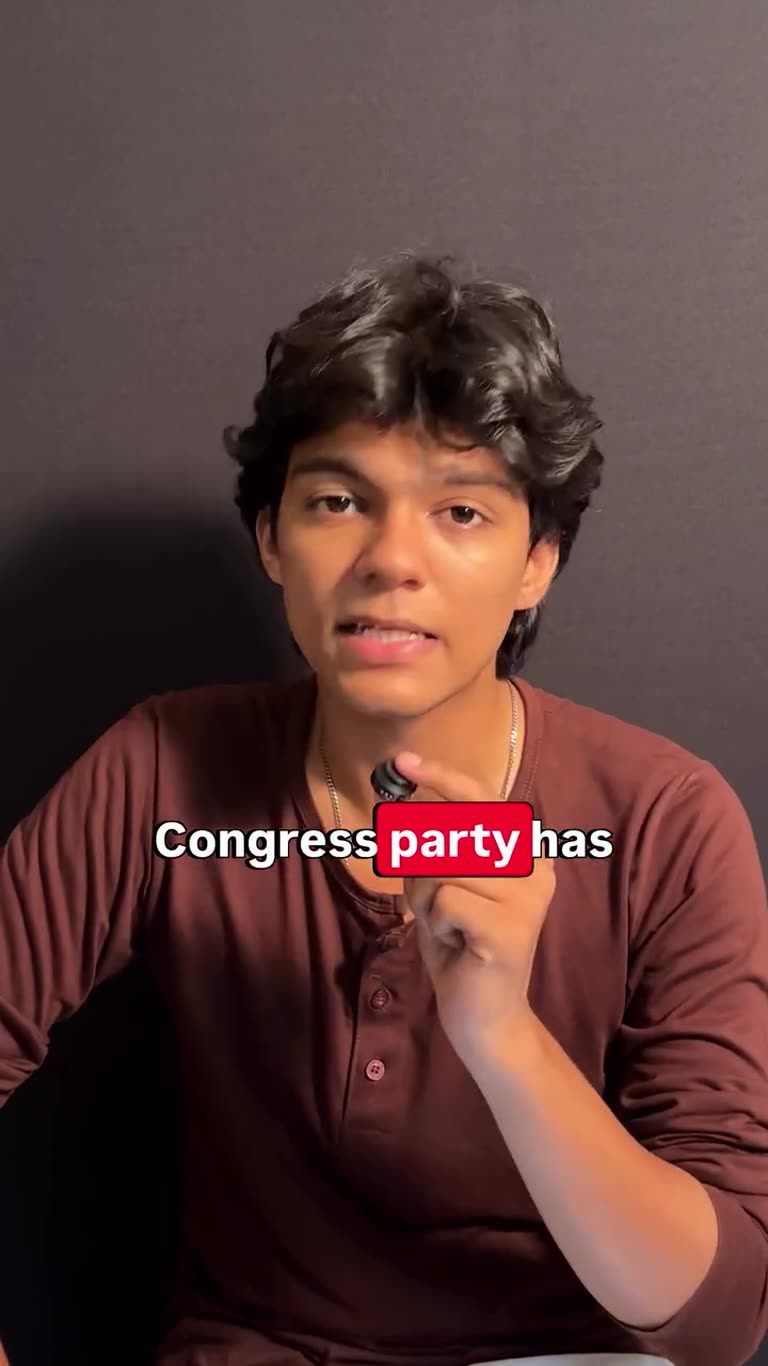
All listed claims about the 1937 resolution, its text, imagery concerns, and intent to avoid alienating Muslims are backed by multiple sources. The reel's historical explanation follows directly from those facts.
Reported 22 Aug 2026
Claims
4 true · 1 unchecked
- True
The Congress party decided in 1937 not to sing the full Vande Mataram, citing a resolution that the last two stanzas contain Hindu imagery.
What's actually true
The Congress Working Committee resolved in October 1937 to sing only the first two stanzas at gatherings because later stanzas contain religious imagery.
- True
The Congress working committee took a resolution in 1937 deciding that the last two stanzas of Vande Mataram contain Hindu imagery.
What's actually true
The Congress Working Committee resolved in October 1937 to sing only the first two stanzas because later stanzas contain religious imagery.
- True
The leaders decided that forcing people to sing the last two stanzas of Vande Mataram might alienate the monotheistic religions like Islam.
What's actually true
The 1937 resolution and leaders like Nehru aimed to limit the song to the first two stanzas to avoid alienating Muslims over religious imagery.
- Couldn't check
The first two stanzas of Vande Mataram glorify the motherland.
What's actually true
The first two stanzas describe the motherland in pastoral and maternal terms without religious references.
- True
The last two stanzas of Vande Mataram contain Hindu imagery which compares India to goddess Durga.
What's actually true
Later stanzas of the song describe the motherland using explicit Hindu imagery including references to the goddess Durga.
The full story, from the sources›
The first two verses of the song make abstract reference to the 'mother' and 'motherland, without any religious connotation. However, later verses mention Hindu goddesses such as Durga. - en.wikipedia.org (2003-05-22) Nehru, as Congress president, feared alienating Muslims. 'It does seem that this [the novel's] background is likely to irritate the Muslims, Nehru wrote to Bose in a 1937 letter. - India Today (2025-12-08) In 1937, Congress adopted the first two stanzas of Vande Mataram penned by Bankim Chandra Chatterjee in 1875 as the national song and omitted the remaining four stanzas over religious references. - @theweek (2026-08-19) In 1937, the Congress adopted a shortened version of Vande Mataram as the countrys National Song, retaining only the first two of the original six stanzas. - The Hindu (2026-08-21) Both the sides are, in effect, arguing over a decision the Congress Working Committee (CWC) took on October 28, 1937. - Hindustan Times (2026-08-21)
From reporting
How it's framed (4)›
Sources (6)›
In 1937, the Congress adopted a shortened version of Vande Mataram as the countrys National Song, retaining only the first two of the original six stanzas.
Both the sides are, in effect, arguing over a decision the Congress Working Committee (CWC) took on October 28, 1937.
Nehru, as Congress president, feared alienating Muslims. 'It does seem that this [the novel's] background is likely to irritate the Muslims, Nehru wrote to Bose in a 1937 letter.
The resolution noted that the remaining stanzas contained references and a religious element that might not be compatible with the beliefs of other religious groups in India.
The first two verses of the song make abstract reference to the 'mother' and 'motherland, without any religious connotation. However, later verses mention Hindu goddesses such as Durga.
In 1937, Congress adopted the first two stanzas of Vande Mataram penned by Bankim Chandra Chatterjee in 1875 as the national song and omitted the remaining four stanzas over religious references.
Notes on this check (6)›
- Parts of the audio did not transcribe cleanly.
- Dropped 4 support citation(s) for "The Congress party decided in 1937 not to sing the full V…" because the cited passages do not address the claim directly.
- Dropped 3 support citation(s) for "The Congress working committee took a resolution in 1937 …" because the cited passages do not address the claim directly.
- Dropped 3 support citation(s) for "The leaders decided that forcing people to sing the last …" because the cited passages do not address the claim directly.
- Dropped 2 support citation(s) for "The first two stanzas of Vande Mataram glorify the mother…" because the cited passages do not address the claim directly.
- Dropped 1 support citation(s) for "The last two stanzas of Vande Mataram contain Hindu image…" because the cited passages do not address the claim directly.
Checked against 5 sources · 22 Aug 2026
Help us improve
Was this analysis useful?
One tap helps us find what Blindspot should improve next.